

Embarking on the startup journey can be thrilling, but it comes with challenges—and accounting is a crucial area where founders need a solid foundation.
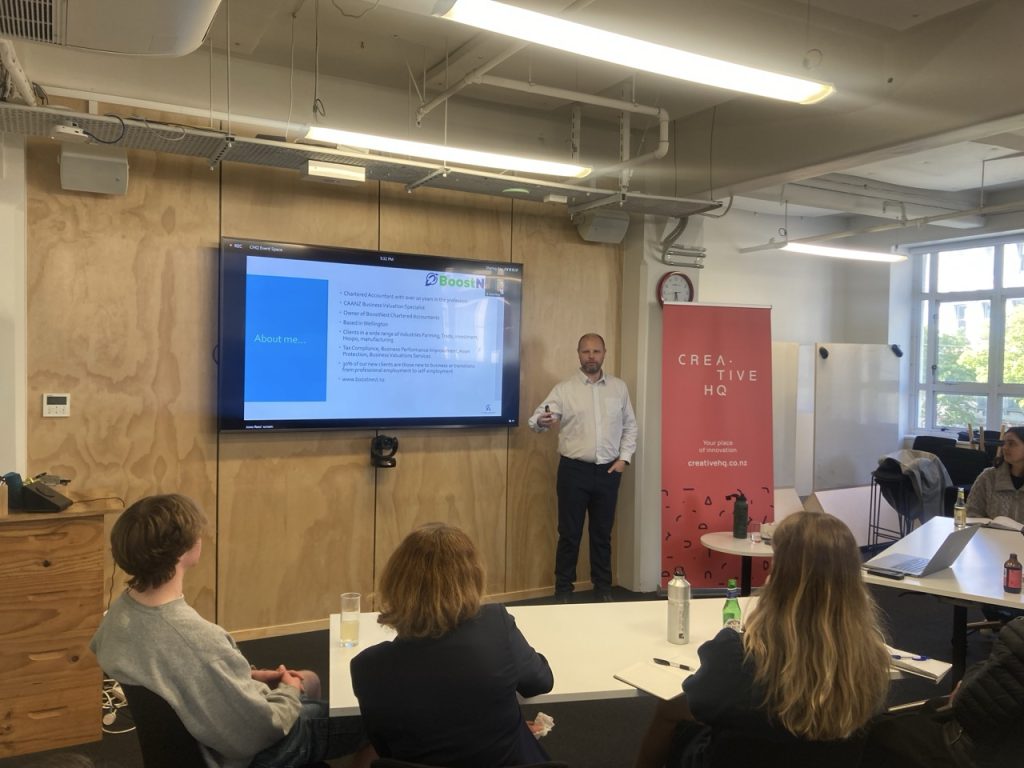
At a recent event, Jono Rees from BoostNest Accountants shared his thoughts on accounting basics for startups. This blog post will summarise the key takeaways from his session, providing practical advice on topics like cash flow management, setting up accounting systems, tax obligations, and understanding financial structures. Whether you’re about to start your first venture or are an early-stage founder looking to get a firmer grip on your finances, these insights are here to help.
1. Cash Flow Management and Burn Rate
Cash flow management is one of the most critical aspects of running a startup. According to Jono, understanding your business’s cash inflow and outflow can mean the difference between survival and failure. Here are the key points he highlighted:
- Cash Flow vs Profit: Cash flow is not the same as profit. While profit shows financial success on paper, cash flow represents the money actually moving in and out of your business. Maintaining a positive cash flow is vital to keeping your business operational.
- Burn Rate: Burn rate refers to how much cash a startup is spending each month before becoming cash positive. Founders should calculate their burn rate to determine how long they can sustain operations before needing additional funds.
- Runway: The runway is the amount of time a startup has before it runs out of money. It’s calculated based on current cash and monthly burn rate. Minimising your burn rate can help you extend your runway, giving you more time to hit key milestones and secure further funding.
Jono emphasised setting realistic expectations around cash flow and regularly reviewing your cash position to avoid surprises. It’s important to anticipate periods of low cash and plan how to manage during those times.
2. Setting Up Effective Accounting Systems
Early Organisation Matters
The key to managing your startup finances effectively is getting organised from the start. Jono pointed out several practical steps:
- Track All Income and Expenses: Even something as simple as saving invoices to Dropbox counts as accounting. Founders should start by keeping good records from the beginning, as these systems are likely to become harder to maintain as the business grows.
- Use Separate Bank Accounts: Having a dedicated bank account for your startup is crucial. This doesn’t have to be a formal business account, but it should be separate from your personal finances. Keeping business transactions isolated helps you manage finances better and simplifies accounting.
- Spreadsheets or Accounting Software?: For many early-stage startups, spreadsheets can be an effective and low-cost way to track finances. As the business grows, tools like Xero or QuickBooks can save time and provide more insight into your operations. Spreadsheets teach the fundamentals of tracking, while accounting software adds automation and precision when needed.
Structures of Ownership
Jono also discussed the importance of deciding on the right structure for your business early on. Setting up a company, rather than remaining a sole trader, can help separate personal and business assets, providing a degree of protection and reducing personal risk.
3. Budgeting and Financial Planning
Financial Forecasting
Jono encouraged startups to create financial forecasts, even if they are basic ones. These forecasts can help founders understand:
- Expected Revenue: Forecasting potential sales helps to identify whether your business idea is financially viable.
- Cost of Sales: This is the direct cost of producing goods or delivering services. Understanding the relationship between revenue and cost is critical in maintaining a healthy margin.
- Operating Expenses: These include fixed expenses like rent, salaries, and subscriptions. Forecasting operating costs helps to understand the business’s breakeven point and financial sustainability.
4. Managing Risk and Making Informed Financial Decisions
Personal Funding Capacity
Jono highlighted the importance of understanding your personal funding capacity before jumping into a startup. Many startups are initially funded by their founders, who use savings or income from a day job to cover initial costs. Before quitting a stable job, founders need to be realistic about how much they can afford to invest and when they might need external funding.
Insurance and Liability
Before diving into the startup world, it’s also crucial to review personal insurance policies and legal documents such as wills. If you are about to become self-employed, it might affect things like mortgage applications or insurance. Protecting personal assets by setting up a company structure can also reduce financial risks.
5. Tax Compliance: GST, Income Tax, and Employment Costs
GST Registration
Goods and Services Tax (GST) is an important tax consideration for startups. In New Zealand, GST registration is mandatory once your revenue exceeds $60,000 in any 12-month period. Jono explained when it’s advantageous for startups to register for GST early—such as when you have significant upfront costs and want to claim GST back—and when it’s better to delay.
Income Tax and Provisional Tax
Startups must also manage income tax obligations. Jono recommended keeping track of profit throughout the year to prepare for end-of-year tax bills. When startups start making a profit, they may also need to pay provisional tax, which is a way to spread tax payments across the year.
Employment Costs
Hiring your first employee is a significant milestone but comes with substantial costs beyond just salary. Jono explained that employers should budget for additional costs like:
- Holiday Pay and Sick Leave: These are statutory requirements that startups must factor in when calculating the cost of an employee.
- ACC Levies and KiwiSaver Contributions: Employers are also responsible for ACC levies and contributions to employees’ KiwiSaver accounts, adding to the cost of employment.
6. Final Tips for Startups
Compliance and Habits
One of the biggest accounting challenges for startups is staying compliant with tax obligations. Jono recommended:
- Regularly Reviewing Financials: Whether using spreadsheets or accounting software, reviewing financials regularly can help keep track of expenses and ensure compliance.
- Chartered Accountant Assistance: Bringing in a chartered accountant, even for just a couple of sessions, can help establish good accounting practices and ensure you’re not missing any critical compliance steps.
Cost Control Strategies
To stretch startup resources, Jono also provided some effective strategies for cost control, such as:
- Use Co-Working Spaces: Instead of leasing an office, use co-working spaces to reduce overhead.
- Barter Skills: If hiring a developer or designer is out of budget, consider finding a partner who can contribute skills in exchange for equity or shared profits.
Summary of Key Insights and Takeaways
The key accounting concepts every startup founder should grasp include:
- Cash Flow and Burn Rate: Understand cash flow as different from profit and regularly monitor burn rate to extend your runway.
- Accounting Systems: Set up organised accounting systems early, using separate bank accounts and appropriate software to track income and expenses.
- Financial Forecasting: Prepare revenue, cost of sales, and operating expenses forecasts to understand when you will break even.
- Tax Obligations: Be aware of GST requirements, income tax, and provisional tax, and plan for the additional costs of hiring employees.
- Risk Management: Consider structuring your business as a company to protect personal assets, and review your insurance needs before launching your startup.
- Cost Control: Reduce initial financial strain by controlling costs, bartering skills, and using affordable resources like spreadsheets for tracking.
Jono’s practical advice boils down to one central message: stay organised, understand your numbers, and don’t be afraid to seek help when needed. Accounting might not be the most exciting part of your startup journey, but it’s certainly one of the most important. With these basics in place, you’ll be better prepared to navigate the financial complexities of growing your startup.
Bookable Drop-In Sessions with Jono
If you’re looking for personalised advice, Jono Rees offers bookable drop-in sessions. These sessions are a great opportunity for startup founders to ask questions, get feedback on financial plans, or clarify accounting concerns. You can book an appointment through Creative HQ’s team page. Jono’s expertise can help guide you through the complexities of startup accounting, ensuring you’re well-prepared to tackle your financial challenges.
Event Recording
What’s next?
- Sign up for future Startup Sessions here.
- Find out about free coaching support at Startup Aotearoa