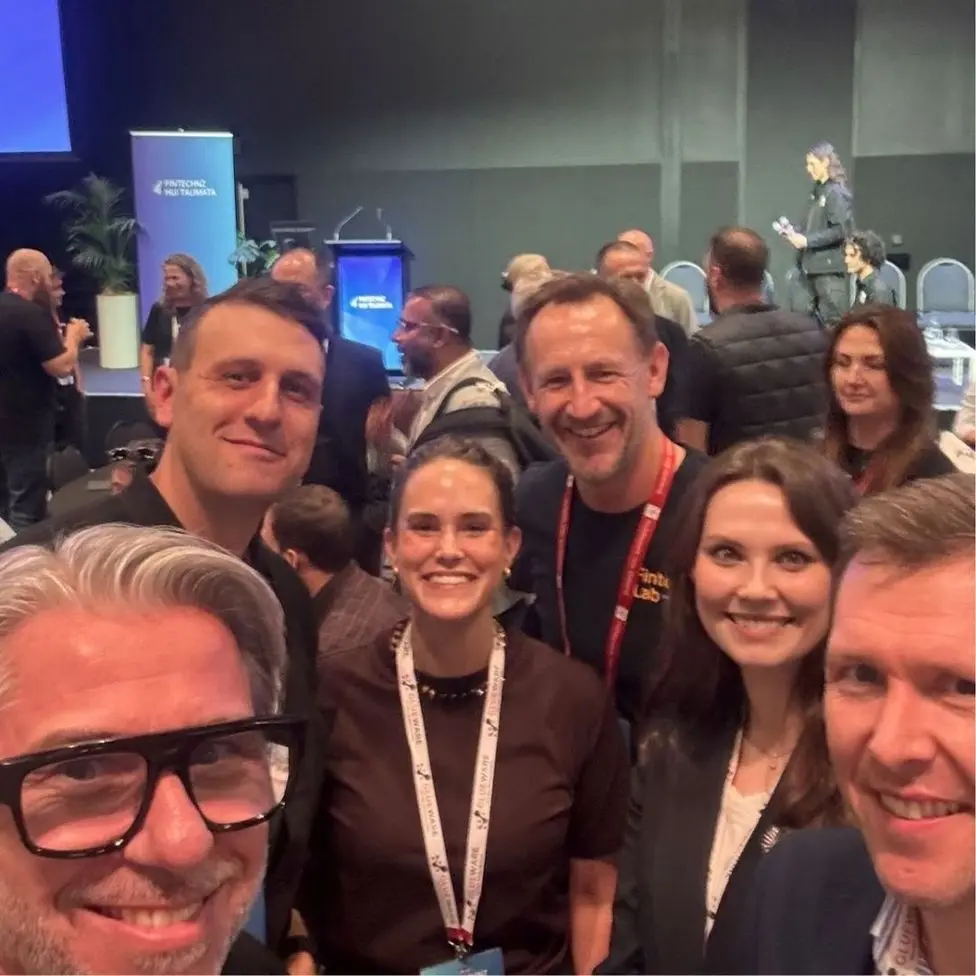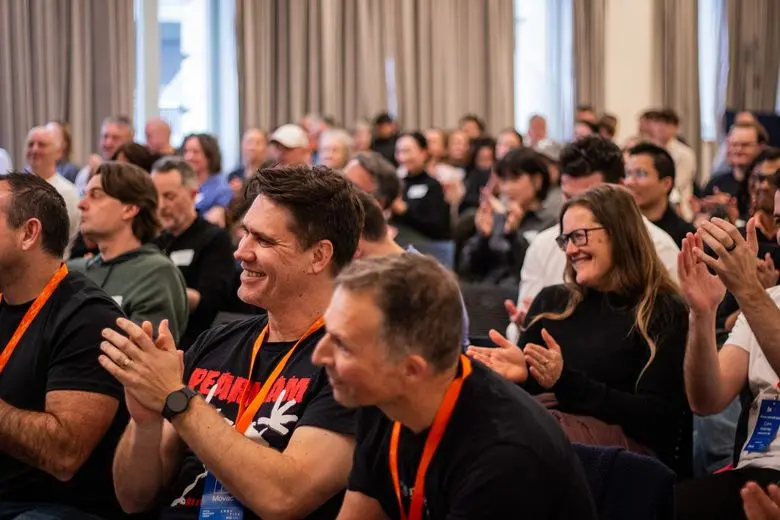
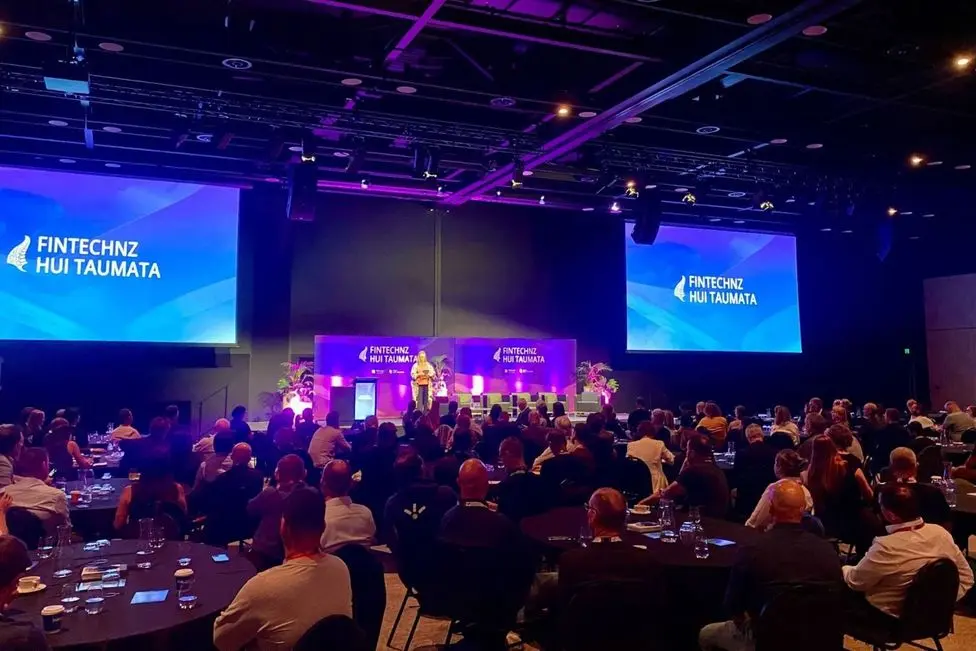
Wellington was buzzing with energy as hundreds of innovators, entrepreneurs and industry leaders came together for Fintech Hui Taumata 2026 in Wellington.
This is New Zealand’s flagship fintech event, bringing together leaders from government, financial services, technology and startups to collaborate on shaping the country’s digital financial ecosystem.
The 2026 Hui was centred on the theme “Forging Ahead: Shaping the Future of Finance,” focusing on how innovation, regulation and collaboration can help accelerate the development of a strong and globally connected fintech sector in Aotearoa.
Across two packed days at the Tākina Convention Centre, the programme combined big-picture thinking with practical, hands-on sessions – from keynote panels and regulator insights to masterclasses and ecosystem tours.
We might be biased, but there are a few moments that certainly stood out.
Kiwibank Start Up Pitch Breakfast
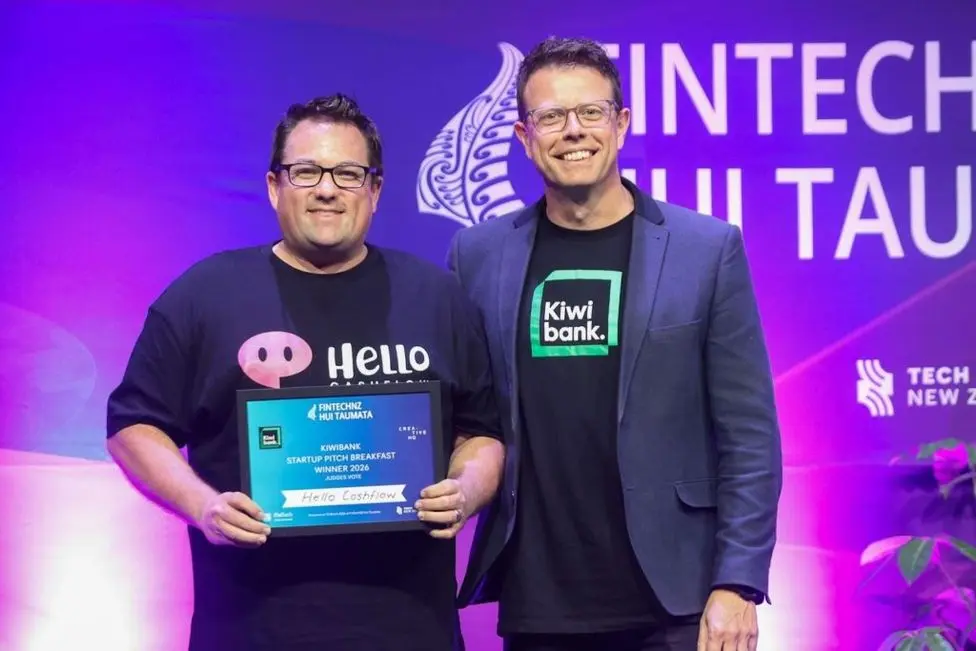
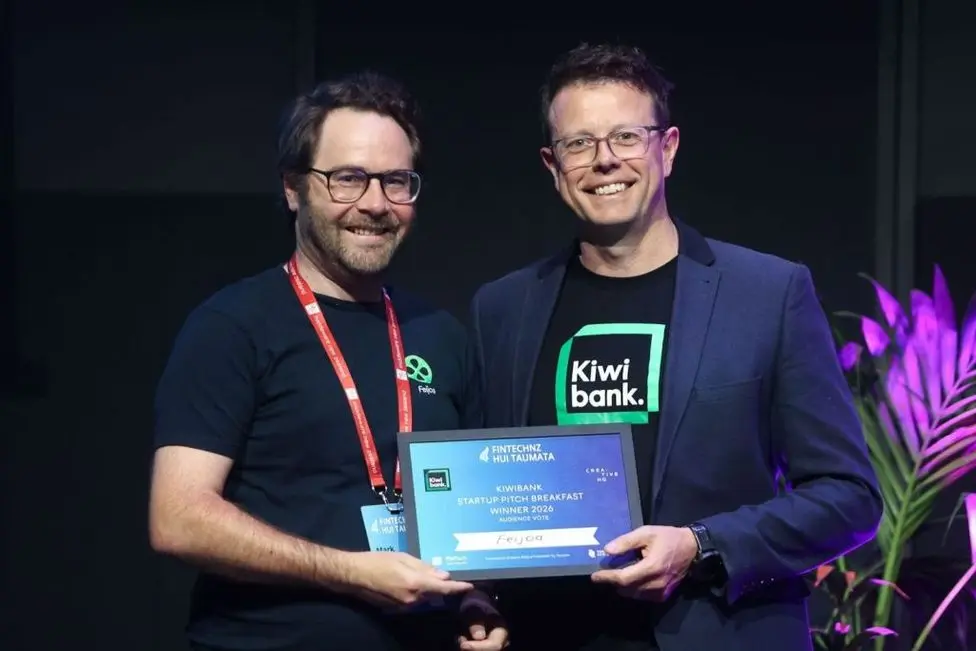
One of the highlights was the Kiwibank Start Up Pitch Breakfast, where five teams from Creative HQ’s Fintech Lab 2026 took to the stage to pitch their ventures to a packed industry audience.
The session offered an early look at the ideas shaping the next wave of fintech innovation – from KiwiSaver, lending, AI-powered accounting, complaint digital assets and Kaupapa Māori financial tools.
The calibre of ideas reflected just how quickly the ecosystem is evolving.
- Hello Cashflow (Judges’ Choice) – turning accounting data into real-time, actionable insights for SMEs
- Feijoa (Audience Choice) – helping Kiwis grow their KiwiSaver with everyday spending
- Nashrr – building New Zealand’s first all-in-one halal fintech platform
- Tākoha – enabling Kaupapa Māori asset management and intergenerational stewardship
- COUNT – an AI-native accounting platform for modern small businesses
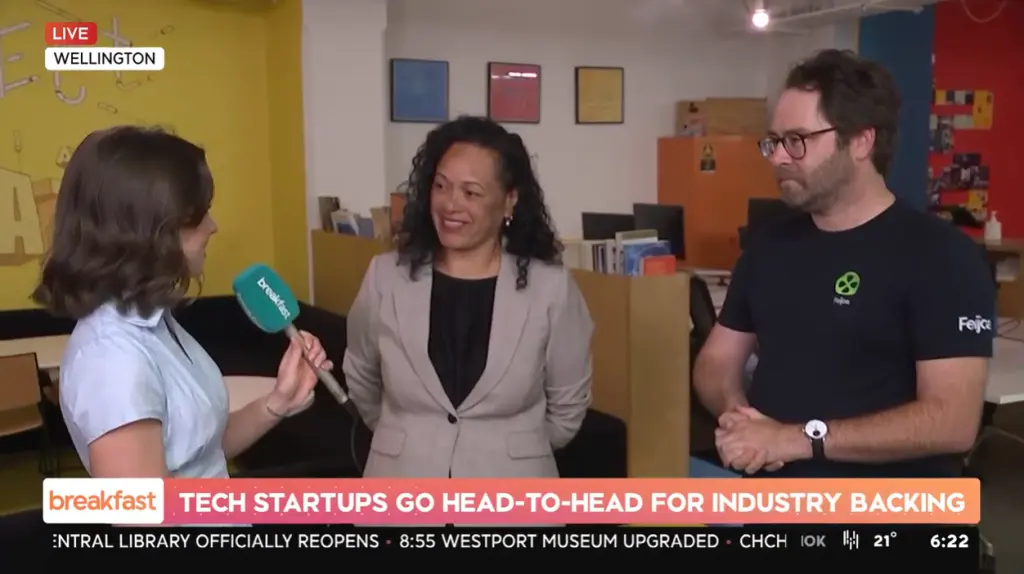
The pitch breakfast was opened by Joanna Greaves, with judges from across the ecosystem, including our very own Fintech Alumni Campbell Maclachlan of Goldie and Investment partner Kate Eaglen of NZ FinTech Fund – reinforcing the importance of collaboration between startups, investors and financial institutions. Even more exciting, two Fintech Lab founders also took to national television bright and early, with founders Tiowaana Harrington (Tākoha) and Mark White-Robinson (Feijoa) sharing their ideas live on Breakfast TV.
A tour of the Fintech capital
What makes this conference unique, is that attendees had the opportunity to walk around the city, connecting directly with the companies shaping it.
The tour highlighted three standout Wellington success stories:
- Xero – founded in Wellington by Rod Drury, Xero grew from a startup challenging traditional accounting into a global SaaS leader, now supporting over 4 million small businesses across 180+ countries. Its early focus on simplicity and accessibility reshaped how SMEs engage with finance — and continues today through AI, payments and a powerful app ecosystem.
- Booster – established in 1998, Booster has grown into a major New Zealand financial services provider serving around 200,000 customers. Built on its own technology platform, Booster has focused on long-term customer outcomes, with future opportunities in open banking and AI-enabled services.
- Sharesies – on a mission to make investing accessible to everyone, Sharesies has scaled rapidly to nearly one million users across New Zealand and Australia. Its intuitive platform, strong brand and customer-first approach have helped redefine retail investing, with expansion and financial education as key growth drivers.
Together, these stories shared that globally relevant fintech innovation is built right here in Aotearoa.
Takeaways from the panels and breakout discussions
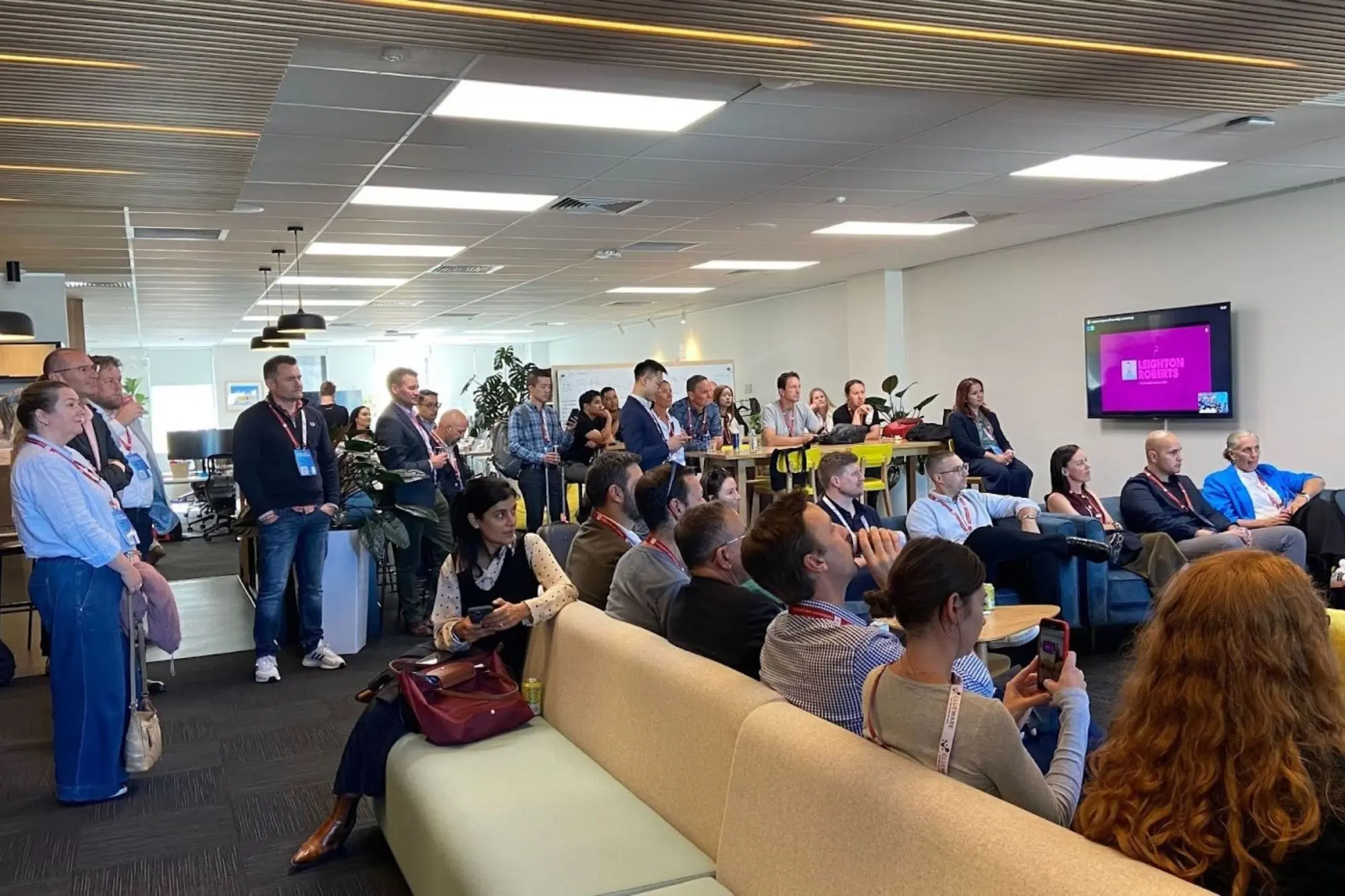
The Hui’s Insights Forum brought together leaders from across New Zealand and around the world to discuss the future of finance and the country’s progress toward Open Finance and a broader open data economy.
MC Janine Grainger led the panel featuring Nicole Sandler, Dr Scott Farrell, Jamie Leach, Anton Ruddenklau, Jerome Faury, Richard Tong, Steve Wiggins and Graeme Muller. Together, they explored global fintech developments and the importance of collaboration between government, regulators and industry to accelerate innovation and position New Zealand as a globally recognised fintech nation built on trust, inclusion and digital progress.

FinTechNZ’s Jason Roberts said it best, reinforcing what it will take to build a true “Fintech Nation” in New Zealand. The path forward relies on:
- The role of government and regulation in enabling innovation.
- Payments, identity and open finance integration.
- Investment pathways and scaling fintech companies.
- Healthy competition and industry collaboration in financial services.
- Delivering better outcomes for customers.
This thinking carried into facilitated breakout sessions, where delegates tackled practical challenges and created space for honest discussion, problem-solving and perspective on what needs to happen next.
Building capability: masterclasses and deep dives
Day two shifted into practical learning, with a series of expert-led masterclasses focused on the systems, tools and partnerships shaping fintech’s future.
Sessions explored how digital assets and tokenisation are transforming cross-border payments, how payments infrastructure can be modernised across Aotearoa and how fintechs can build successful partnerships across legal, regulatory and commercial contexts.
Participants also learned strategies for scaling Kiwi fintechs, from capital and talent to international expansion, designing trust and identity systems for scale and interoperability, and preparing for the rise of agentic commerce powered by AI.
Several clear themes took shape:
- AI is transforming financial services, but robust trust infrastructure must evolve alongside it.
- Open banking presents a major opportunity for innovation, interoperability, and collaboration.
- Platform ecosystems are increasingly replacing standalone products, enabling fintechs to offer more integrated solutions.
- Customer experience and accessibility remain critical differentiators in a competitive market.
New Zealand has strong fintech talent and investment but scaling companies globally while keeping them rooted locally remains a challenge.
What’s next
Fintech Hui Taumata 2026 made one thing clear – New Zealand’s fintech sector is eager to adapt, innovate and break the mold. While there are present challenges, this ecosystem has the skills and ambition to address them head on and create better opportunities for Aotearoa and beyond.
From early-stage founders pitching bold ideas, to established companies scaling globally, to regulators shaping enabling frameworks – the Hui showcased a sector actively building its future.
And at the centre of it all is a common thread, Kiwis want to create a more connected, innovative and inclusive financial ecosystem for Aotearoa.