When Shane joined Fintech Lab at the start of last year, he didn’t have a company. He had a co-founder, a concept, and – by his own admission – no idea what FMA (Financial Markets Authority) stood for.
Maria had been building for longer. As founder and CEO of IndigiShare, she came into the Fintech Lab with a clear mission and a kaupapa that didn’t fit neatly into any existing Fintech category. What she needed wasn’t validation that the problem was real. She already knew that. What she needed was a path through a system that wasn’t built with her vision for the Māori economy in mind.
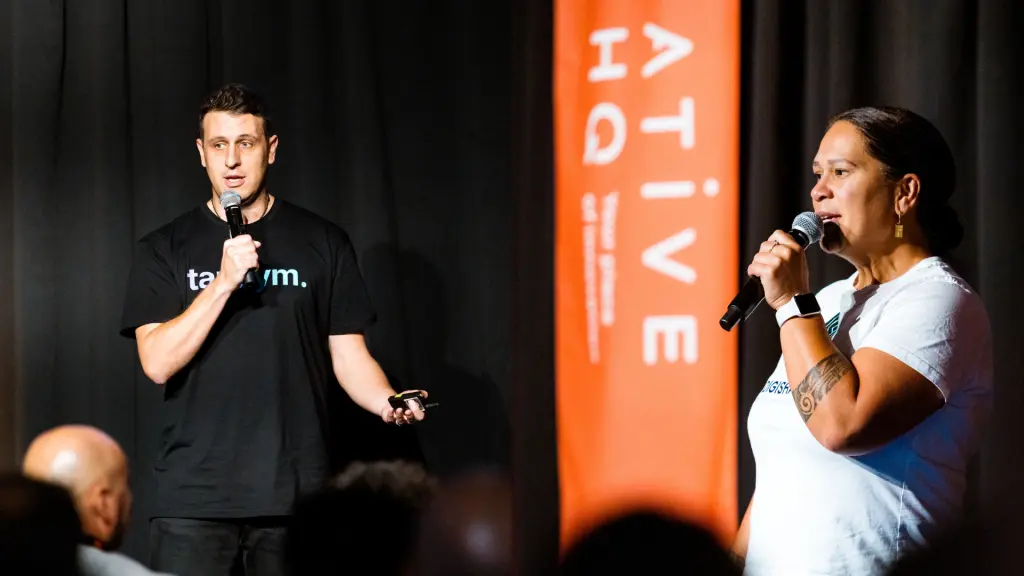
Following their graduation from the Fintech Lab, both founders were selected to participate in the FMA’s Sandbox Pilot. The pilot was designed to allow firms to test innovative products in a controlled environment, while navigating New Zealand’s regulatory framework in real time, with the regulator in the room.
They are two very different founders, but they overlap in the Fintech Lab 2025. We sat down with both founders to see how these two experiences have shaped their startup journey.
Meet Shane, from Tandym: Building from day one
Tandym is built around a simple but compelling premise: investing is better together. The platform lets people form groups to invest in assets with friends, family and communities. Tandym is still in beta, but it’s live, it’s real and it’s growing.
Shane and his Co-Founder Grant came into the Fintech Lab at the earliest possible stage – no entity, no product, just two founders working through an idea. What the programme gave them, he says, was time, focus, and the right people asking the right questions.
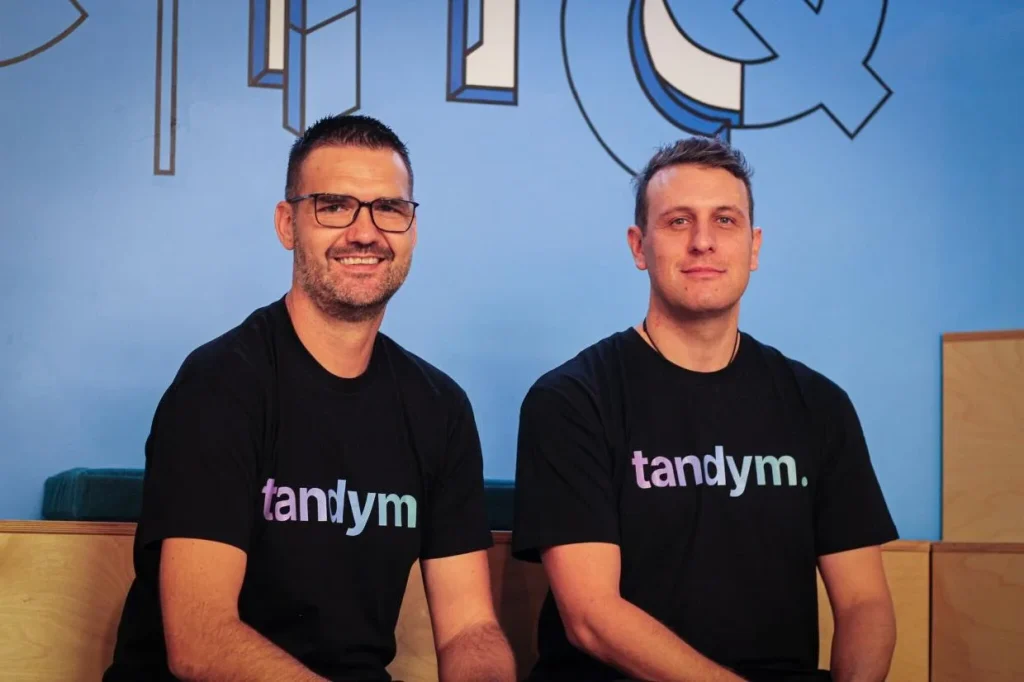
“I’d say we probably did a good six to twelve months of work during the 12-week programme.”
The cohort experience mattered too. Connections made during the programme have since become part of the Tandym team – including their coach, Meg, who they liked so much they called her back after the programme ended and asked her to stay involved! But arguably the biggest unlock from Fintech Lab wasn’t the network or the structure. It was getting a proper grip on compliance.
Here’s the thing nobody had told these first-time fintech founders: regulatory compliance isn’t a box you tick at the end. It’s the foundation everything else is built on.
Shane learned this the hard way – not in a catastrophic sense, but in the slow, humbling way that comes from spending six months getting your regulatory footing before you can really run.
“Everything flows back from knowing what regulated services you’re providing and in which jurisdictions. Once you know that, you know what’s in place to protect your customers – and what you need to have in place too.”
For Tandym, that meant understanding regulation in New Zealand’s financial services sector through the FMA (with the help of talented lawyers at MinterEllisonRuddwatts – who sometimes acted as translators) and also navigating the indirect scrutiny that comes with offering access to international markets. Two jurisdictions, two sets of due diligence, and a lot of 4am nights…
His advice to future founders – don’t wait. Get your regulatory questions answered early, and don’t be scared of the regulator. “The FMA aren’t as scary as you think. They’re actually really willing to have a conversation and help you on your journey.”
Maria from IndigiShare: Harder to categorise – and that’s the point
Maria’s organisation operates across two products. Te Waharoa-a payment gateway and Te Whare Manaaki – a lending service – built around our collective – whānau, hapū and iwi – where communities of connected people support each other through lending, lifting everyone together.
It’s not impact investing in the conventional sense. And it’s not a standard Fintech play. It’s something different, and Maria – and her specialist Nicholas Ryder, have spent years building the language – and now the regulatory pathway – to match.
She came out of Fintech Lab with something specific – confirmation that what she was building had real value, and that the conventional investment ecosystem wasn’t necessarily where she’d find her people.
That clarity, she says, was worth the programme alone. It redirected energy that might otherwise have been spent chasing the wrong kind of capital.
“Being part of the accelerator validated the concept – that what we’re trying to do has value. But that value isn’t going to be found within the normal investment communities.”
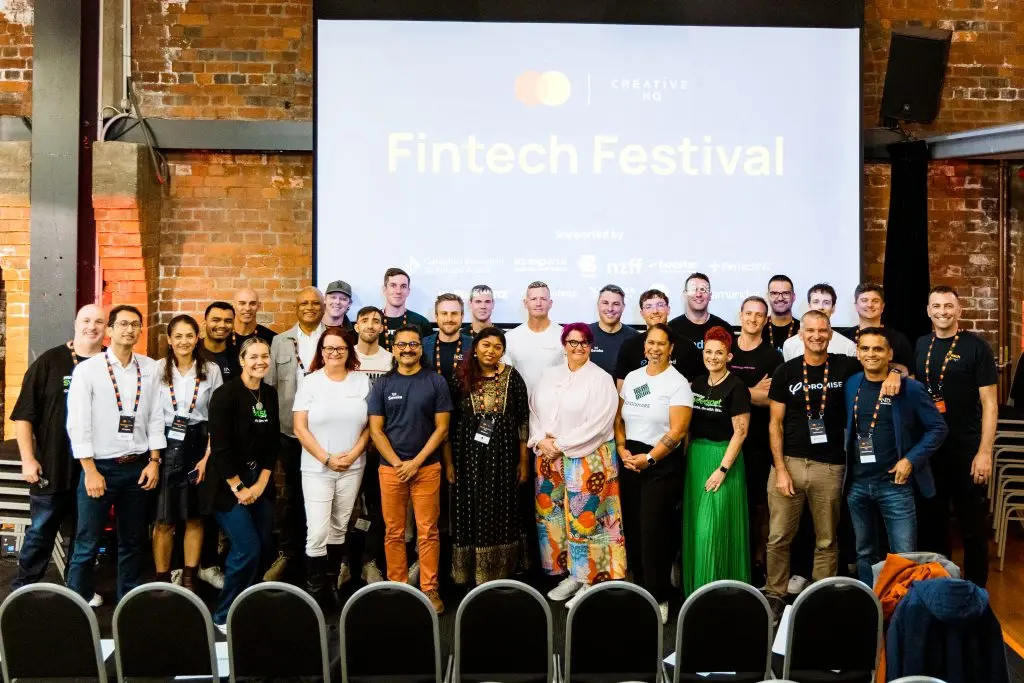
One thing she’s clear on for anyone earlier in the journey – think hard about your sustainability model before you start – “you need to think about how you’re going to stay alive while you’re doing this”.
IndigiShare’s charitable structure has meant they’ve been able to continue their business development work and community mission while building out their products – including through a year inside FMA’s sandbox pilot. Without that, she says simply: “we wouldn’t be alive.”
Working with FMA in their sandbox pilot
Both Shane and Maria describe the sandbox pilot in strikingly similar terms: fortnightly meetings, access to specialists, a safe place to ask questions that felt too basic or too complex to ask anywhere else.
For Shane, that looked like showing wireframes to regulators and working through compliance edge cases with his legal counsel in the room at the same time.
“It was like a safe place to ask stupid questions. And because our lawyers were in the room, we could just work through everything together. That saved us real time and real money.”
For Maria, the pilot was something more reciprocal. IndigiShare’s lending model operates in territory the FMA hadn’t mapped before – a zero-interest, collective lending structure that didn’t fit neatly into existing regulatory frameworks. Parts of the legislation simply didn’t apply. Working out what that meant in practice took nine months of fortnightly meetings.
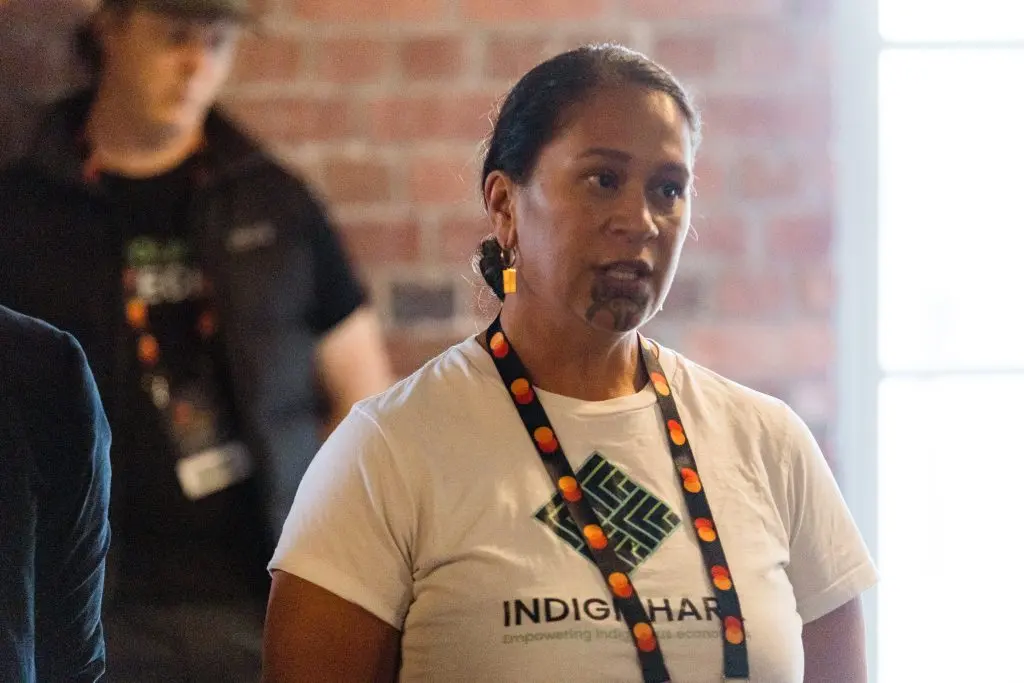
“It was a reciprocal relationship. We also had to educate them on what financial services could look like, what we‘d like them to look like in daily practice.”
The outcome for IndigiShare was a no-action letter – effectively approval to run a pilot lending programme for six months, testing proof of concept in a live regulatory environment. The Te Whare Manaaki pilot goes live in mid-April 2026.
For Tandym, the sandbox concluded with something equally significant: Shane and his co-founder Grant presented to the entire FMA team, becoming the first company to graduate from the programme.
Both founders are generous in their praise of the people inside the FMA driving the sandbox forward.
“No one gives them a shout out,” says Maria. “But we’re giving them one.”
Two journeys and our key takeaway
The sandbox isn’t an endorsement – the FMA is clear on that. What it is, both founders agree, is access. The kind most people don’t realise they can ask for.
Shane and Maria approached it from completely different directions. One was building fast, learning the complex compliance requirements quickly, trying to launch to retail investors as quickly as the framework would allow. The other was building slowly and deliberately, constructing a new model of collective finance that the regulatory system had to learn alongside her.
What made these founders successful is the willingness to be in the room – to ask the questions, do the work, and treat the regulator not as a barrier but as a collaborator.
Tandym has raised its first capital, is nearly out of private beta, and is mapping the path beyond New Zealand. IndigiShare has a commercial agreement signed, a lending pilot launching in April, and is still looking for investment partners who understand that building an elephant takes longer than building a unicorn — and that the return looks different too.
Both still have a long road ahead, with many wins on the wall already.
FMA supports growth and innovation in New Zealand’s financial markets
FMA is proud to support Creative HQ and its Fintech Lab in fostering an ecosystem that encourages and supports innovation.
“The sandbox pilot provided a valuable opportunity for us to work closely with fintech founders to help identify and address regulatory barriers facing the fintech community. Through this engagement, we gained deeper insight into the challenges and opportunities facing early‑stage Fintechs.” Alan Crofts, Technical Specialist (Fintech & Innovation)
Building on those learnings, FMA has partnered again this year to deliver expert insight modules for startups, focused on the fundamentals of financial services and regulation, and supporting founders to build strong, compliant businesses from the outset.