Meet Wellington’s newest accounting startup: COUNT
COUNT’s founders see the accounting SaaS industry as ripe for disruption – with large incumbents dominating the market, prices too high, and innovation having slowed. At the same time, accountants and bookkeepers are spending too much time on manual processes that limit their ability to act as strategic advisors.
COUNT’s CEO and co-founder, Chris Smith, describes their goal as building the most human accounting platform possible – that reimagines accounting from the ground up in 2026.
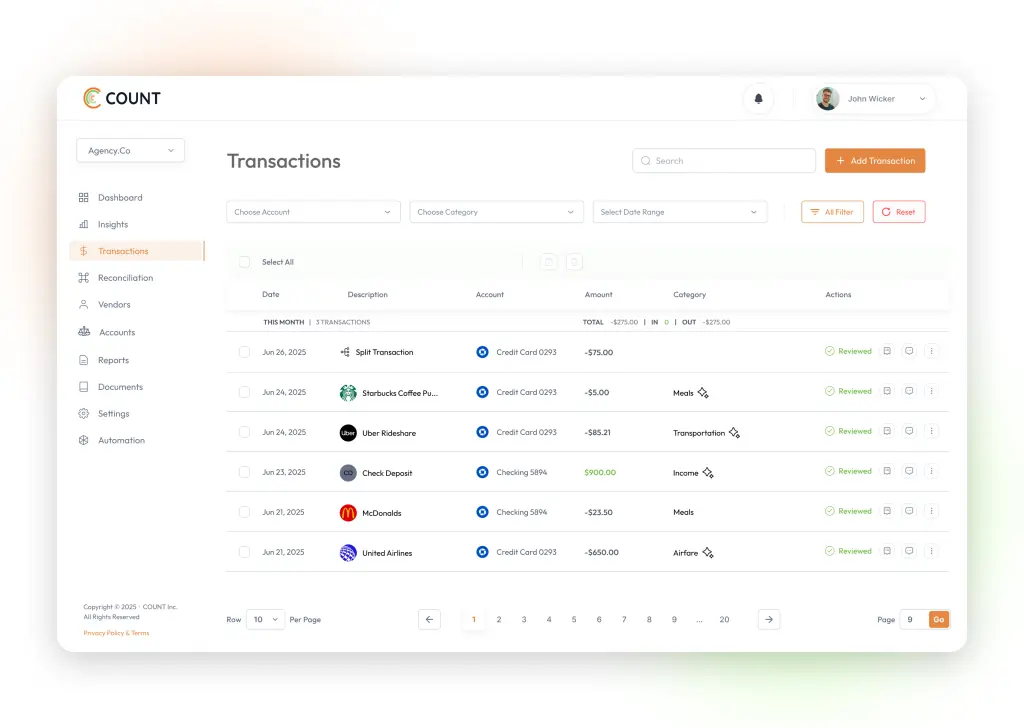
They’re using automation and AI extensively — but in a way that strengthens human collaboration rather than removing it. The aim is to reduce administrative burden so that advisors can spend more time helping business owners understand their numbers and make better decisions.
The ambition is not framed simply as market share. It is about reshaping and strengthening the relationship between business owners, accountants and financial information.
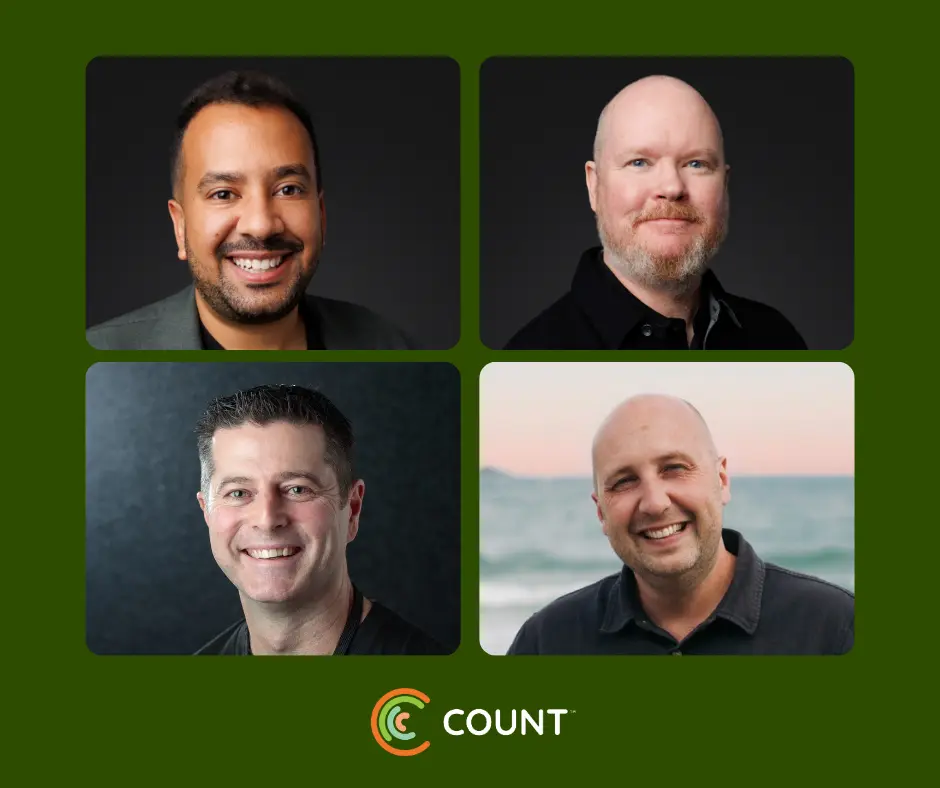
COUNT is being built across two cities with deep technology roots: Wellington and Seattle. Behind it are two of the founder team whose paths into this moment have been different, but together could be a secret sauce.
Meet two members of the team:
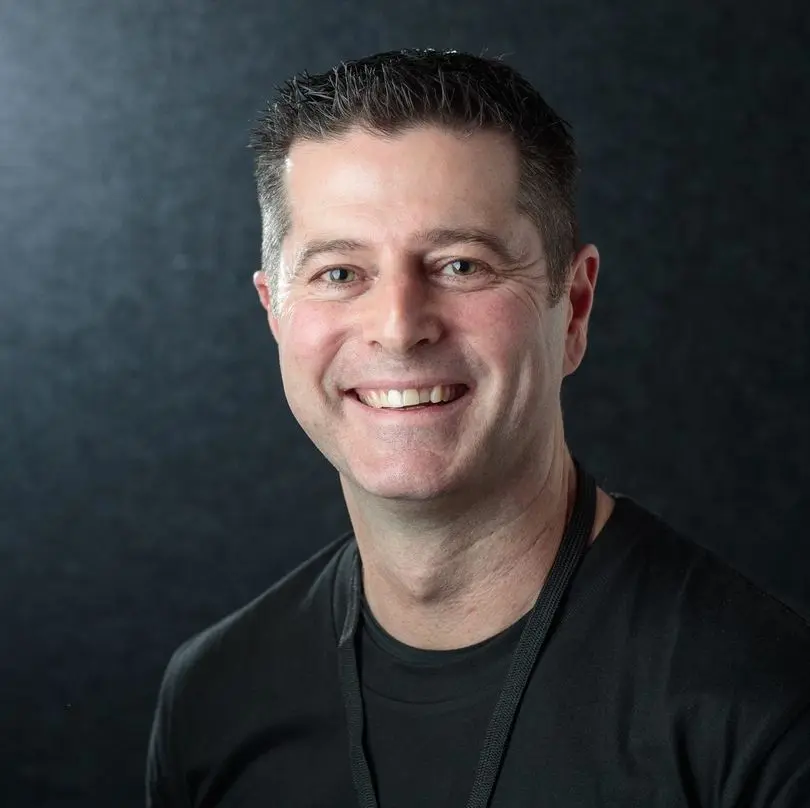
David Morrison (leading COUNT in NZ with Matt Stevens) has spent close to 30 years in Wellington – previously CEO of Thankyou Payroll, now managing the Impact Directory, Do Good Jobs – and this latest venture, launching COUNT in Aotearoa, New Zealand. Prior to this entrepreneurship streak, his career has not followed a linear path.
The journey to a global startup: David trained in hotel management, worked across hospitality venues in Wellington and overseas and managed teams early in his career. He then moved into industry training, helping introduce competence-based training across the hospitality sector nationwide.
After a stint in Scotland, he transitioned into a range of technology roles, working with firms including LANtech, InfoPower, Provoke and Silverstripe, and later in enterprise project management consulting. Two roles with InternetNZ exposed David to the world of critical internet infrastructure and global policy development. As he puts it, he had “done everything except being a startup.”
COUNT CEO and co-founder Chris Smith’s path began in Seattle. At 16, he secured an internship at Microsoft, which sparked his interest in technology. At 18, he moved to Wellington to study international business at Victoria University.
While at university, he started his first company, DASH Tickets — an online ticketing platform that grew quickly and was later acquired. DASH was one of the first companies based at Creative HQ when it launched, operating as a full team out of the space.
He later founded Story (STQRY), a mobile platform for museums, zoos and attractions. The company expanded across New Zealand, into Australia and then the United States, raised venture funding in both markets, and was ultimately acquired by a Los Angeles company.
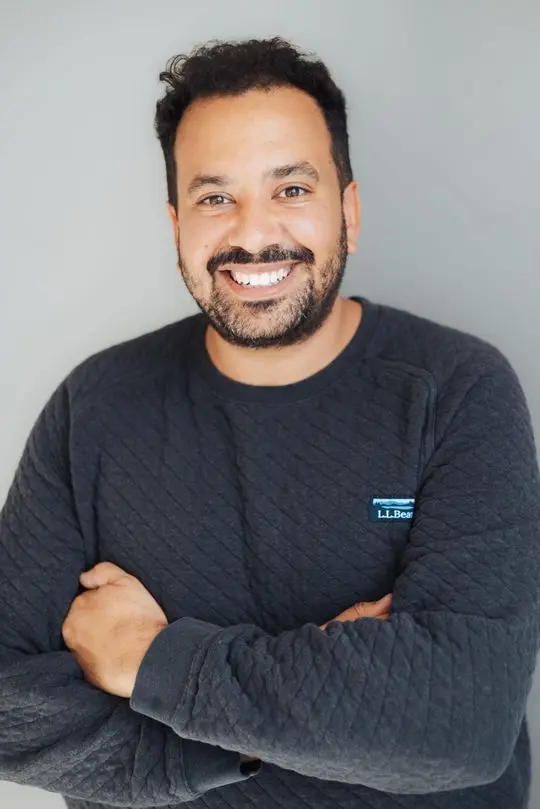
After that exit, Chris worked at Amazon and then at Meta. The experience working on complex, AI-driven systems directly influenced the thinking behind COUNT which he cofounded with with Derek Harn.
They started COUNT in Seattle and Wellington is the next HQ. We asked why:
There are technical reasons and personal ones.
From a product perspective, building simultaneously in New Zealand and the United States ensures the platform is architected for global scale. The differences in tax regimes require deliberate design decisions early.
There are universal principles in accounting — general ledgers, double-entry, journal entries — but tax structures differ across jurisdictions. From day one, COUNT has been designed to support both fixed tax systems such as New Zealand’s GST regime and more localised tax structures like those in the United States. Launching in both geographies is intentional: it forces the platform to be built for global distribution from the outset.
But the decision is also relational.
Chris describes Wellington as his “second home.” He credits the local ecosystem — and Creative HQ in particular — with supporting his early ventures. He contrasts the scale of the US market with what he sees in New Zealand: smaller numbers, but high quality, strong collaboration and a willingness among founders to support each other.
“The US has huge scale,” he notes. “But the quality of entrepreneurs, the quality of experience, the willingness to support and help — I think is next to none here.”
For David, Wellington is home. After living in Scotland, he and his wife chose to return, citing quality of life and proximity to nature. He has lived in the region on and off for three decades and has built his career here. Leading COUNT’s New Zealand rollout, he sees an opportunity to grow APAC from Wellington.
He is also interested in a broader question: how to grow globally without losing local grounding. As companies scale, he observes, they often centralise and become distant from their original customer base.

A different stage of entrepreneurship
Neither Chris or David is starting from scratch in their 20s. David has led organisations and owns his own online business, but had not previously held equity in a startup of this scale. For him, the shift is about “skin in the game” and the scale of the opportunity; the ability to make decisions directly, and to build something that feels personally owned.
He also brings domain proximity. Having led Thankyou Payroll and worked alongside accounting professionals for years, he understands the operational realities of the sector.
Chris contrasts COUNT with his first company, which emerged almost accidentally to solve his own problem at university. COUNT, by comparison, is deliberate: a large, defined market, entrenched incumbents, and a significant need for innovation. The stakes are higher, and the platform must be precise.
Both emphasise mindset over age when asked about the “right” time to start a company. Chris sees it primarily as a mental game: the capacity to absorb risk, uncertainty and financial trade-offs. David believes he is better equipped now, with decades of experience and complementary skills, but also notes that entrepreneurial exposure is more visible to younger generations today than it was when he was in his 20s.
So, Wellingtonians. How can you help these founders succeed?
COUNT’s founders are not positioning themselves as outsiders entering the market. They are embedded locally.
They are partnering with accounting firms and bookkeepers – and recently launched an integration with Thankyou Payroll to serve its customer base.
To help them be successful, here’s how you can help us grow the next Xero in Wellington:
- Be brave enough to try something new.
- Engage with the platform and provide candid feedback.
- Open doors to advisors, accountants and early adopters.
- Continue the culture of founder-to-founder support that has shaped the city’s ecosystem.
COUNT is structured as a Wellington–Seattle bridge. Seattle provides scale and access to capital; Wellington provides depth, collaboration and quality.
If the ambition is realised, COUNT will not only grow as a global accounting platform. It will also model how a company can scale internationally while remaining locally embedded.
By wrapping them in the right support, Wellington can continue to serve as a launchpad for founders building at global scale – and breed another Fintech unicorn.